What happens when a child graduates from an Angels of Hope children’s home? For many, it marks the beginning of a new chapter shaped by education, opportunity, and the support they received throughout childhood.
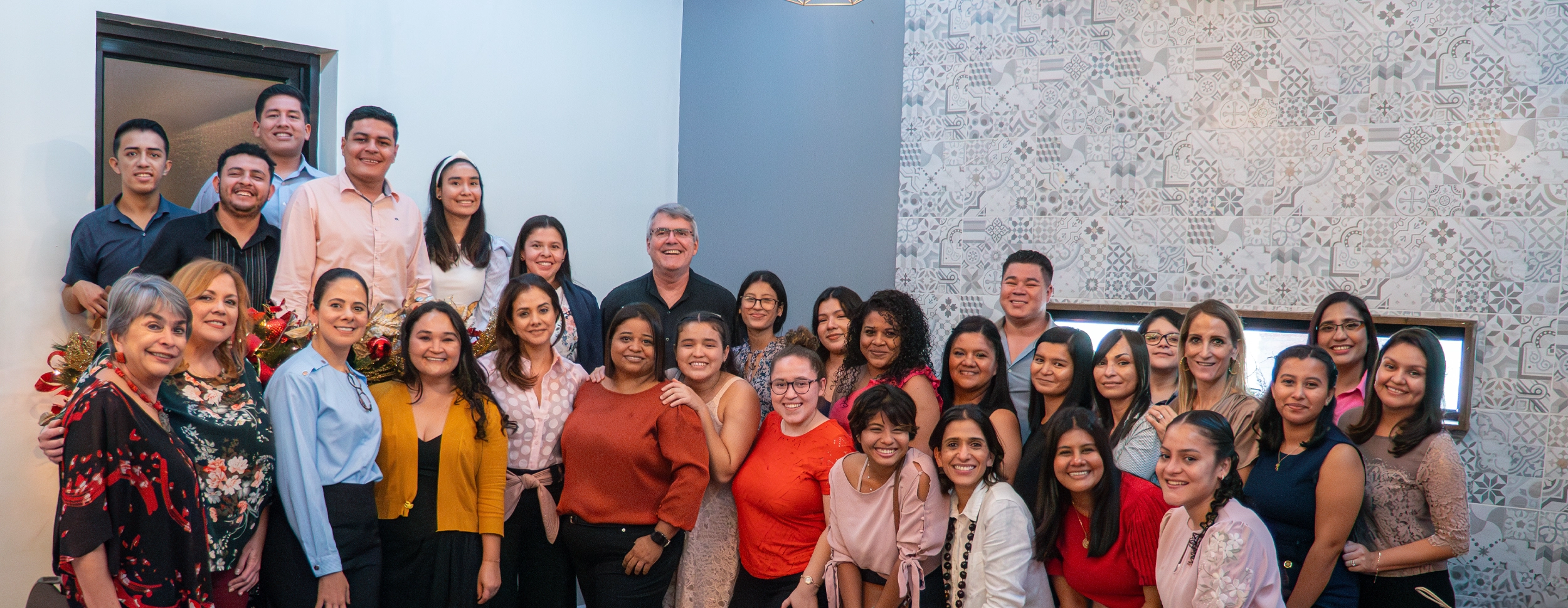
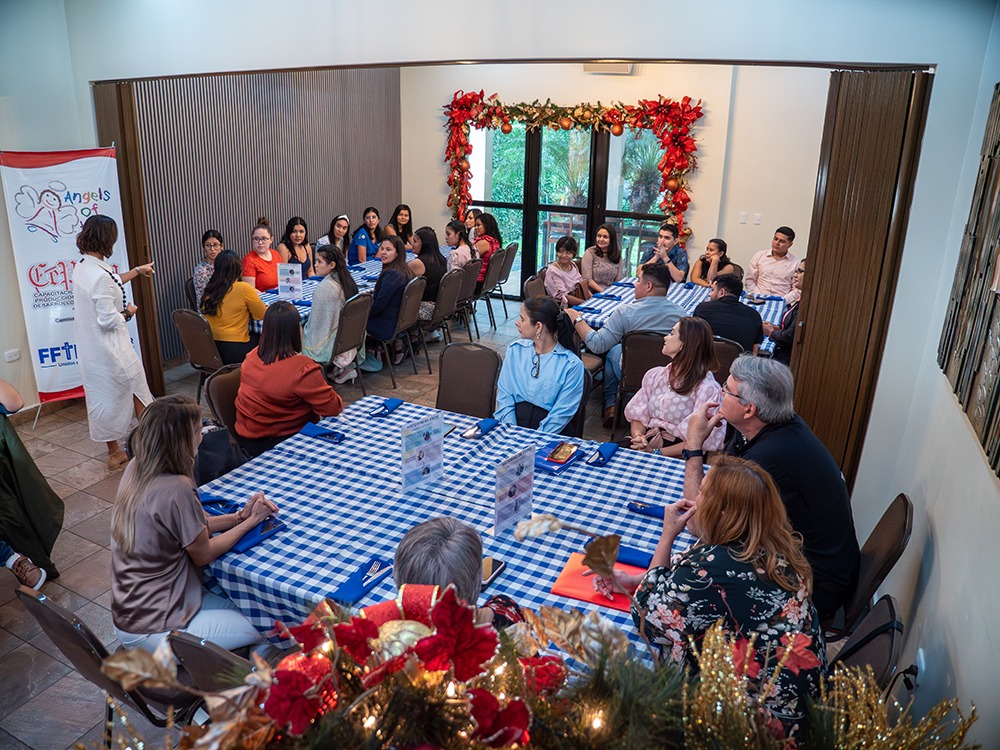
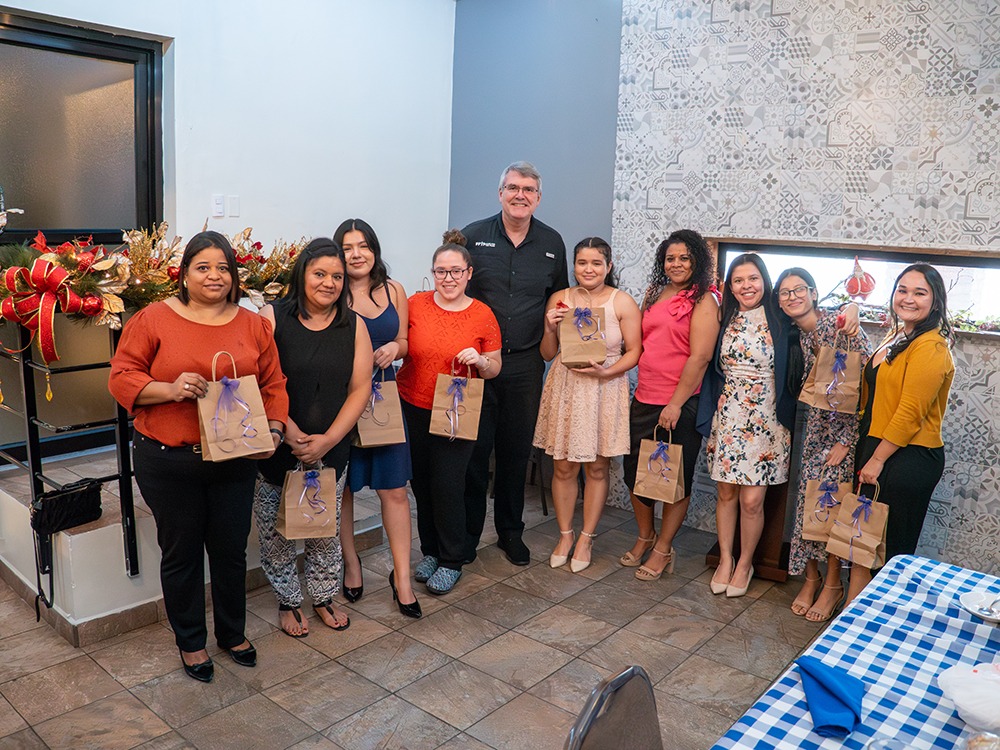
During a Food For The Poor mission trip to Honduras in December 2024, volunteers visited several Angels of Hope children’s homes to see firsthand how vulnerable children are cared for and prepared for independent living. As part of the visit, CEPUDO—Food For The Poor’s longest-standing in-country partner in Honduras and a leading organization in community development throughout the municipality of Choloma in the Department of Cortés—hosted a special gathering where mission trip participants met alumni from Ministerios Nuestras Pequeñas Rosas, El Refugio Ticamaya, and the AHLE Foundation.
Former residents Astre (22 years old), Dulmy (38 years old), Patricia (28 years old), Gerson (24 years old), and Rey (24 years old) shared powerful testimonies about their lives before entering the program, the circumstances that led to their separation from their families, and how the children’s homes provided far more than shelter. Their stories reveal how education, mentorship, emotional support, and opportunity prepared them for independent adulthood and lives of service.
When Extreme Poverty Leads to Child Abandonment
Although each story was unique, they shared a common thread: extreme poverty and the cycle of deprivation. In many cases, those hardships were compounded by migration, the death of a parent, domestic violence, or family breakdown, creating circumstances that ultimately led to abandonment or separation from their families.
Rey’s story epitomizes the street children crisis in Latin America. After being placed with two different families over six years and ultimately left without a home, he spent much of his childhood surviving on the streets. Surrounded by violence, drugs, and extreme poverty, he endured repeated assaults and nearly lost his life after one brutal attack. Yet despite these unimaginable hardships, Rey never lost hope, demonstrating remarkable resilience in the face of adversity.
Patricia’s childhood was also shaped by loss. She lost her mother at the age of four and never knew her father, growing up without a traditional family structure. Before Patricia was born, her mother had moved from Nicaragua to Honduras in search of better opportunities and found work as a nanny at El Refugio Children’s Home in Ticamaya. After her mother’s death, Patricia and her younger sister found stability, care, and opportunity at El Refugio, where the foundation for her future was built.
Gerson’s early years were marked by family separation and extreme poverty,, and profound loss. After his father immigrated to the United States, his mother struggled to provide for the family before leaving to seek work elsewhere. Raised by his grandparents in rural Honduras, Gerson experienced hunger, overcrowding, and loneliness throughout his childhood. At thirteen, he hoped to reunite with his mother, only to lose her during childbirth complications. When he sought help from his father, he was rejected, leaving him without parental support.
Dulmy’s childhood was defined by abandonment, exploitation, and abuse. Her mother abandoned her when she was four, and her father rejected her, leaving her in the care of a guardian who forced her into child labor instead of school. At age ten, she returned to live with her father and stepmother, where she endured severe physical and emotional abuse. After a teacher reported the abuse to authorities, the violence escalated, leaving Dulmy so overwhelmed by fear and despair that she attempted to take her own life.
More Than Comfort: Finding Emotional Support in a Children’s Home
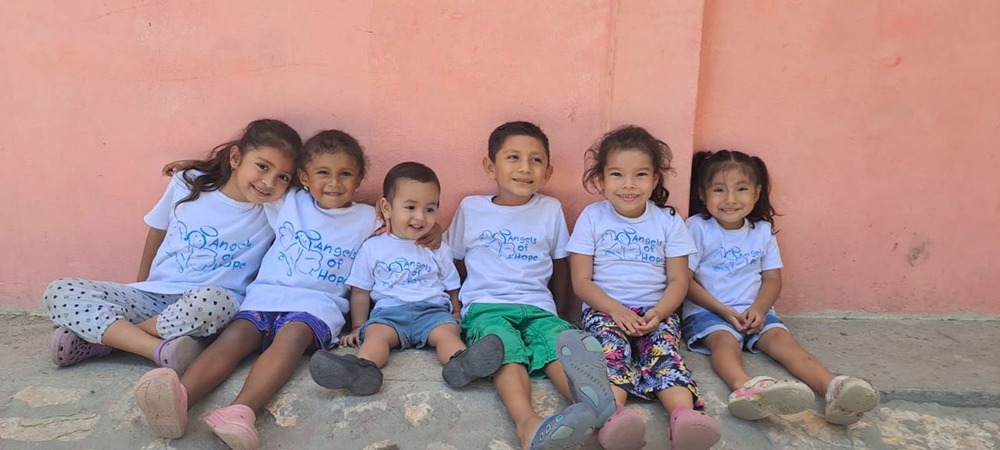
Like every child in the Angels of Hope program, the alumni received the essentials needed to thrive: nutritious meals, clothing, personal care items, school supplies, toys, and birthday and Christmas gifts—basic necessities many had gone without for years.
Yet when reflecting on what changed their lives, none of them began by talking about material support.
Instead, Dulmy, Patricia, Rey, and Gerson all pointed to something far more meaningful: the people who believed in them.
They described mentors who listened without judgment, tutors who encouraged them to pursue their education, and caregivers who helped them heal from trauma and build self-confidence. After experiencing abandonment, rejection, violence, or the loss of their families, many entered the children’s homes believing they had little value. Through consistent love, guidance, and emotional support, they gradually learned to trust others, forgive past hurts, and believe in their own potential.
For Patricia, the home instilled the confidence to earn a university degree in social work and dedicate her career to serving vulnerable communities. Dulmy credits the emotional and spiritual support she received with helping her heal from years of abuse, forgive her family, and discover a renewed sense of purpose. Rey found adults who listened to him, helped him process the trauma of life on the streets, and encouraged him to pursue a career in aviation. Gerson, who had long struggled with rejection and loneliness, discovered that education became the pathway to purpose, and today works in community development, helping improve the lives of vulnerable families.
Their stories demonstrate that while food, clothing, and shelter provide immediate security, education, mentorship, and emotional support create lasting transformation. The true impact of a children’s home is measured not only by the needs it meets today, but by the confidence, resilience, and hope it instills for a lifetime.
They Never Forgot Where They Came From
Although their lives have taken different paths, Patricia, Dulmy, Rey, and Gerson share one defining characteristic: they have never forgotten where they came from. Rather than allowing their painful childhood experiences to define them, they have used those experiences to shape their purpose and serve others facing similar challenges.
Today, Patricia volunteers in community development initiatives in Choloma, Honduras, helping strengthen local organizations while pursuing a career dedicated to improving the lives of vulnerable families. Dulmy now serves as Coordinator of the Angels of Hope Program in Choloma, helping children in the very program that transformed her own life. Rey regularly returns to the AHLE Foundation to mentor young people, sharing his story of resilience and encouraging children facing the same fears and uncertainties he once experienced. Gerson works in community development, assessing poverty, malnutrition, and family vulnerability while volunteering to teach young adults agricultural production, including the phenological development of crops, helping prepare them for sustainable livelihoods.
Their journeys demonstrate that the true success of the Angels of Hope program is measured not only by the children it protects today, but by the adults those children become tomorrow. Each has transformed personal hardship into compassion, leadership, and service, creating a ripple effect that extends far beyond their own lives. By investing in the next generation, they ensure that the hope they once received continues to change lives for years to come.